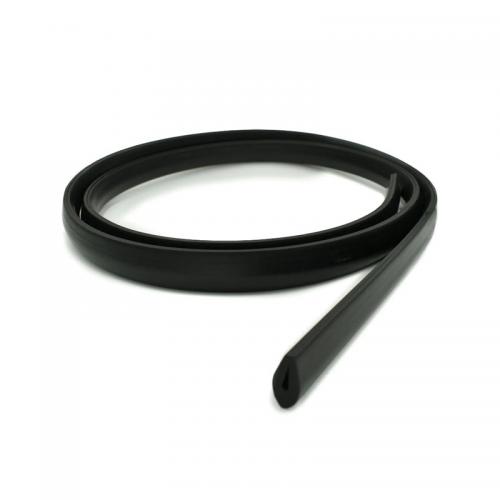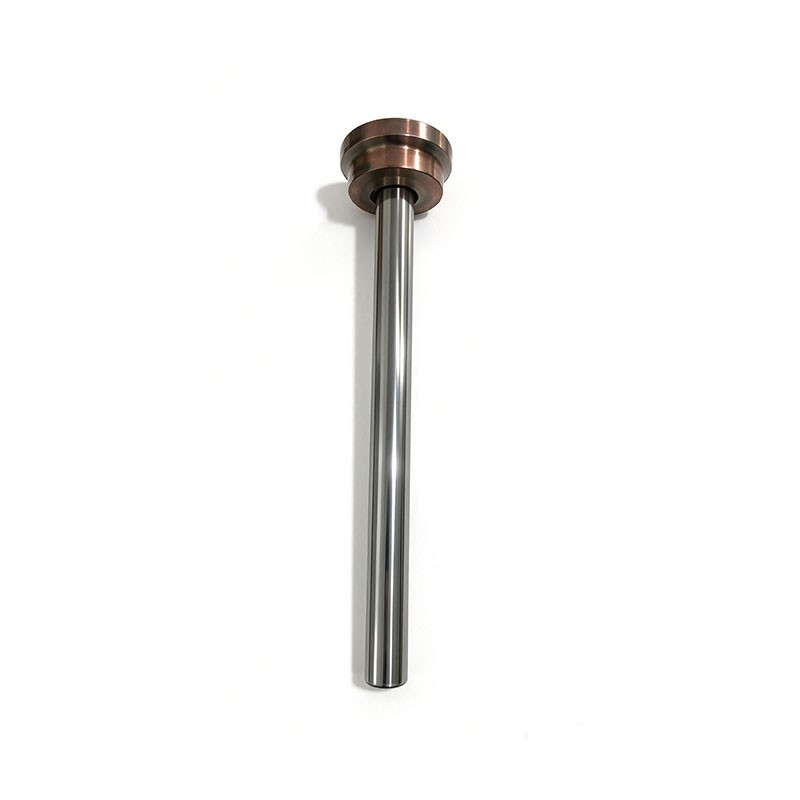
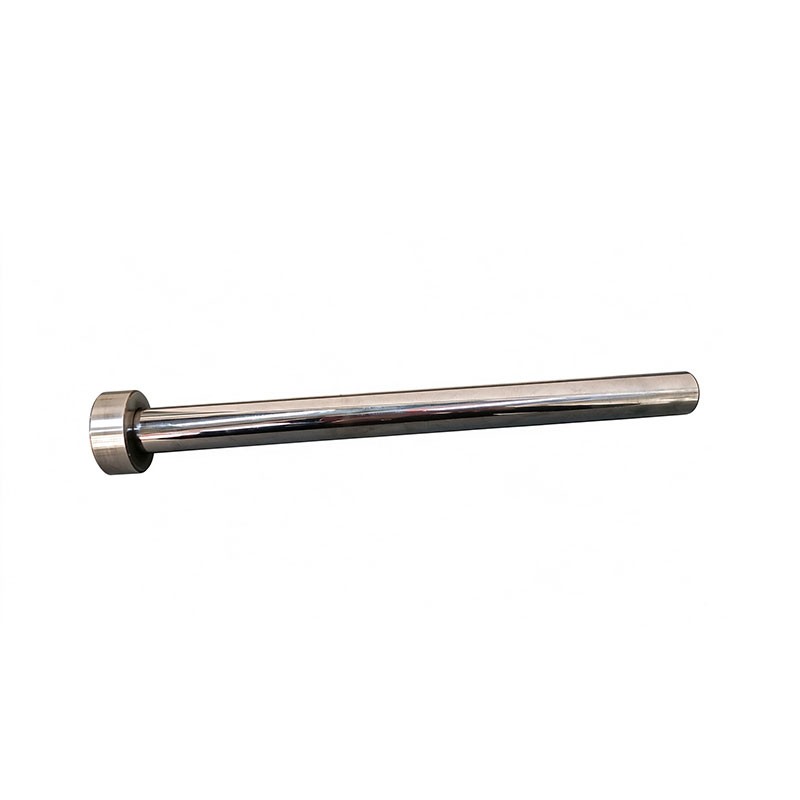
Product number: CP022066/220, HMHK022005/304
Product name: Plunger Compelet
Used for: BFT, BHDT waterjet machine
Regarding BHDT/BFT plunger rods, we offer two material options: tungsten carbide and ceramic. While the original equipment uses the former, how should a user choose between them, and what are the differences?
> For waterjet ultra-high-pressure intensifier plungers, "ceramic" defaults to **Zirconia (ZrO₂)** (the industry standard; alumina ceramics are not recommended for waterjet plungers).
## Zirconia Ceramic Plungers (Dimensions identical to tungsten carbide)
### ✅ Advantages
1. **Extended Seal Life**
Zirconia can be finished to a superior mirror-like surface with a lower coefficient of friction. This results in less wear on the high-pressure seal during reciprocating motion; **seal service life typically increases by 30%–80%**, which is the primary benefit.
2. **Exceptional Corrosion Resistance**
Ceramics lack the metallic cobalt binder phase found in tungsten carbide, so they do not suffer from pitting corrosion when exposed to water containing chloride ions or corrosive impurities. In contrast, poor water quality causes the cobalt phase in tungsten carbide to leach out, creating surface pitting that rapidly damages seals; ceramics are immune to this type of corrosion.
3. **Superior Wear Resistance Under Stable Conditions**
Under conditions of steady pressure and clean water, the ceramic plunger body wears more slowly, resulting in a longer service life for the plunger itself.
4. **Lower Thermal Expansion**
Dimensional changes during temperature rises are minimal, leading to more consistent clearances between the plunger and the seal and more stable control of high-pressure leakage.
### ❌ Disadvantages (Inherent material limitations that cannot be eliminated, despite identical dimensions)
1. **High Brittleness; Poor Impact/Water Hammer Resistance (Major Risk)**
Identical dimensions do not equate to identical strength. Events such as water hammer, instantaneous pressure spikes, dry firing (running without load), or jamming can cause the ceramic to crack or shatter immediately. Tungsten carbide possesses toughness, allowing it to absorb instantaneous shocks without shattering.
> Even if the external shape is identical, the material's mechanical properties remain unchanged. 2. **Poor tolerance for scratching by hard particles**
Tiny, hard sand particles in the water can cause irreversible scratches on the ceramic's mirror-like surface through reciprocating friction; tungsten carbide offers high hardness combined with superior toughness, making it resistant to long scratches from minor particle impacts.
3. **Inherent risks in head structure**
Such plungers on the market are typically **composite assemblies** featuring a ceramic rod with a metal head that is either press-fitted or bonded. Due to differing thermal expansion coefficients between ceramic and metal, repeated thermal cycling creates a risk of separation or cracking at the interface; in contrast, OEM tungsten carbide plungers are **monolithic sintered components**, eliminating the risk of interface failure.
> Manufacturing a monolithic, all-ceramic flanged plunger is extremely difficult; stress concentration at the base makes them highly prone to breakage, so almost no manufacturers produce them.
4. **Higher costs**
The procurement cost of a zirconia ceramic plunger is higher than that of a tungsten carbide one. In the event of breakage, the combined cost of downtime and replacement parts is significantly higher.
5. **Greater sensitivity to coaxiality**
Even slight misalignment during assembly can easily lead to stress concentration and damage in ceramic plungers; tungsten carbide offers greater tolerance for minor misalignment.
## Tungsten Carbide Plungers
### ✅ Advantages
1. **Excellent toughness and resistance to water hammer and instantaneous pressure surges**; they offer high tolerance for operating conditions involving frequent start-stop cycles and significant pressure fluctuations—the fundamental reason why BFT selects tungsten carbide for its OEM parts.
2. **Monolithic, single-piece construction** eliminates the risk of delamination at composite interfaces, resulting in higher overall reliability.
3. Unlikely to be rendered unusable by minor hard impurities or slight assembly misalignment.
### ❌ Disadvantages
1. Poor water quality (high chloride ion content) causes corrosion of the cobalt binder phase in the cemented carbide, leading to surface pitting that rapidly damages the seal.
2. At equivalent machining precision, the coefficient of friction is higher than that of zirconia, resulting in a relatively shorter seal lifespan. ##
Contact: Linda Lyu
Phone: +86 15802487169
Tel: +86 15802487169
Email: info@waterjetsupplier.com
Add: Pacific Industrial City 67-32, Shenbei Dist, Shenyang, Liaoning 110001. P. R. China
We chat






 English